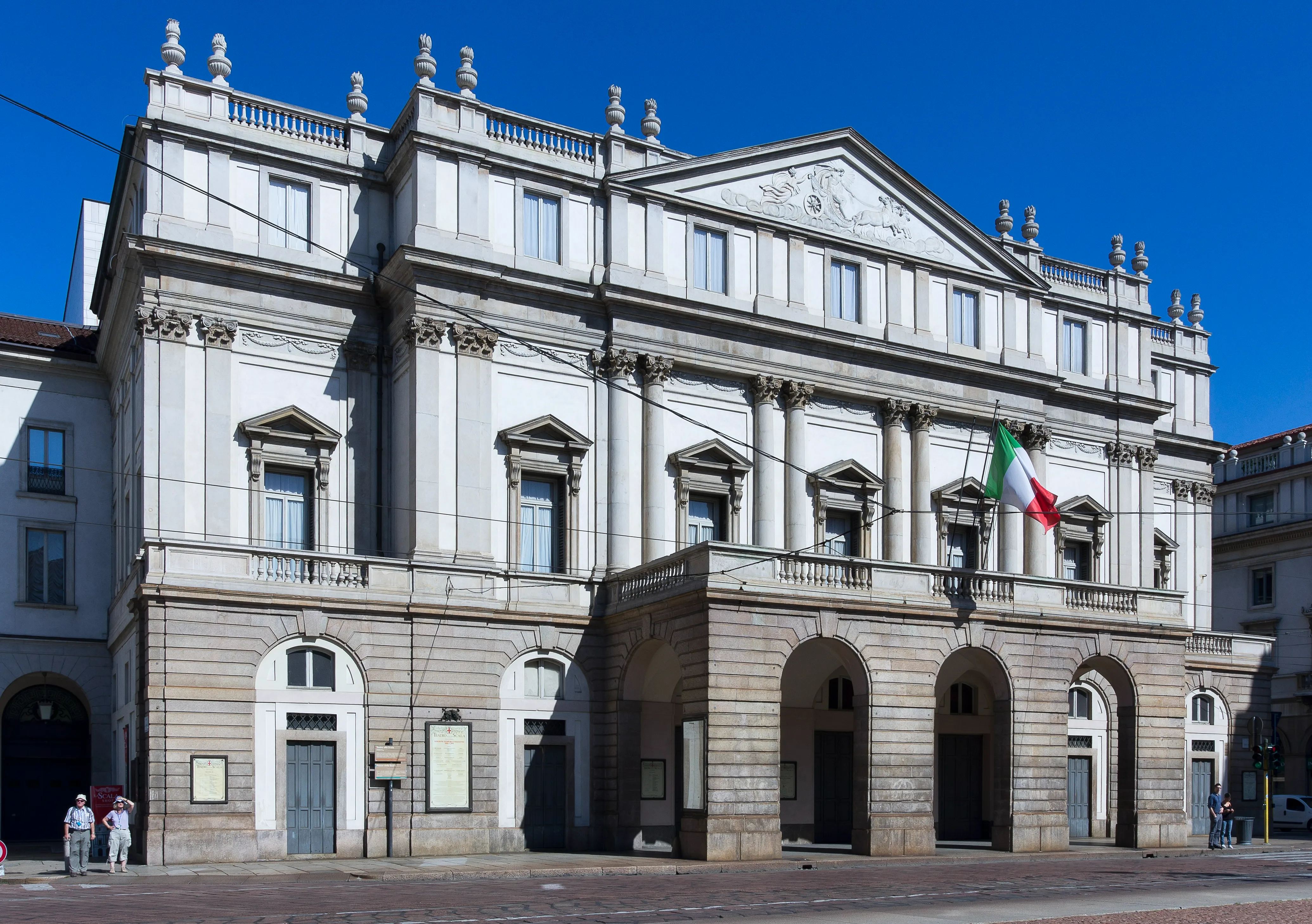
Exterior Architecture: Facade, Urban Choreography, and Civic Presence
A deep read of La Scala’s neoclassical facade, urban alignments, and how the theatre stages the city before the curtain rises.
→
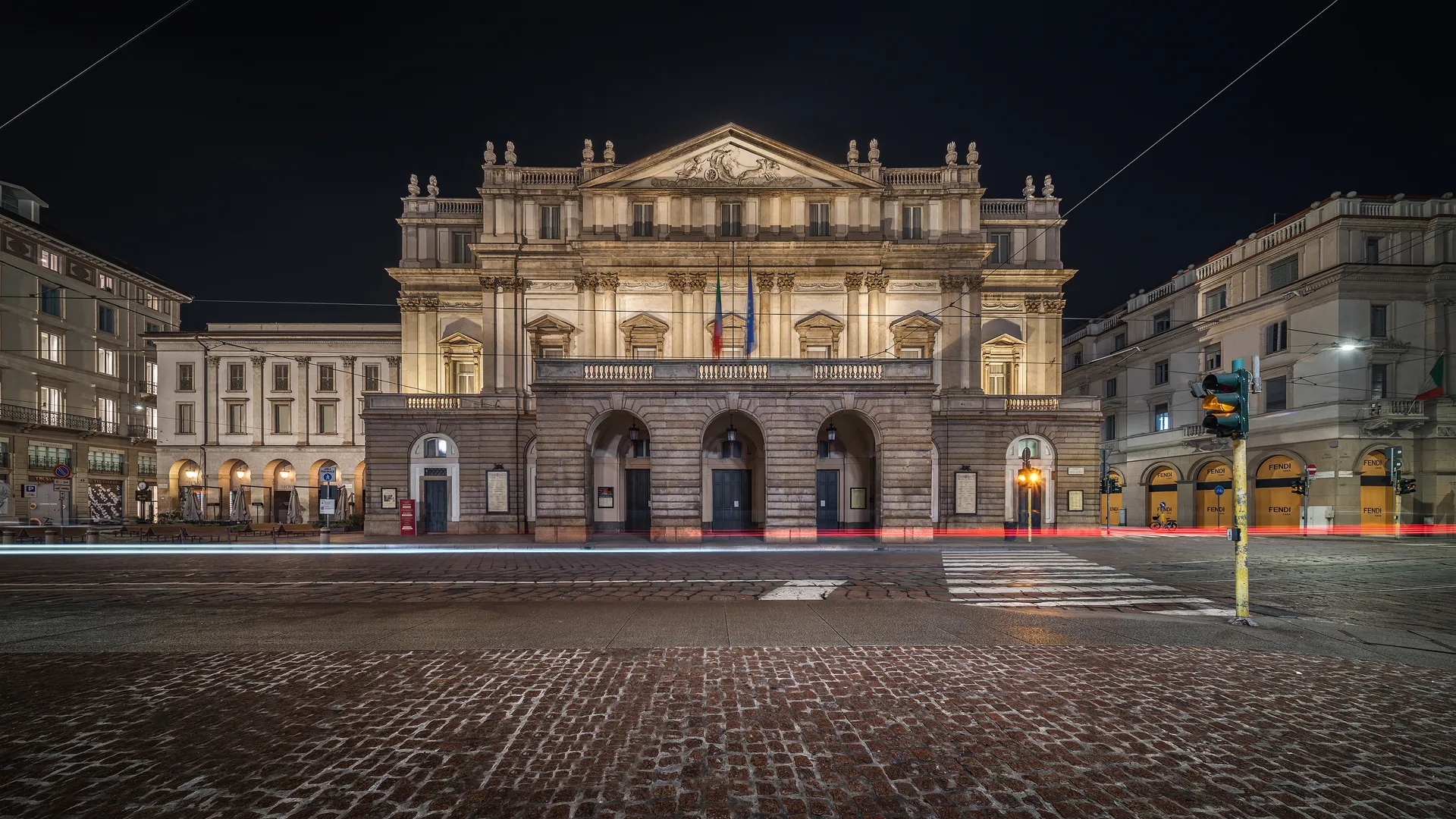
Night Lighting: How La Scala Paints Milan After Dark
Lighting design, stone reflectance, and how the theatre’s exterior composes a night-time ritual of approach and anticipation.
→
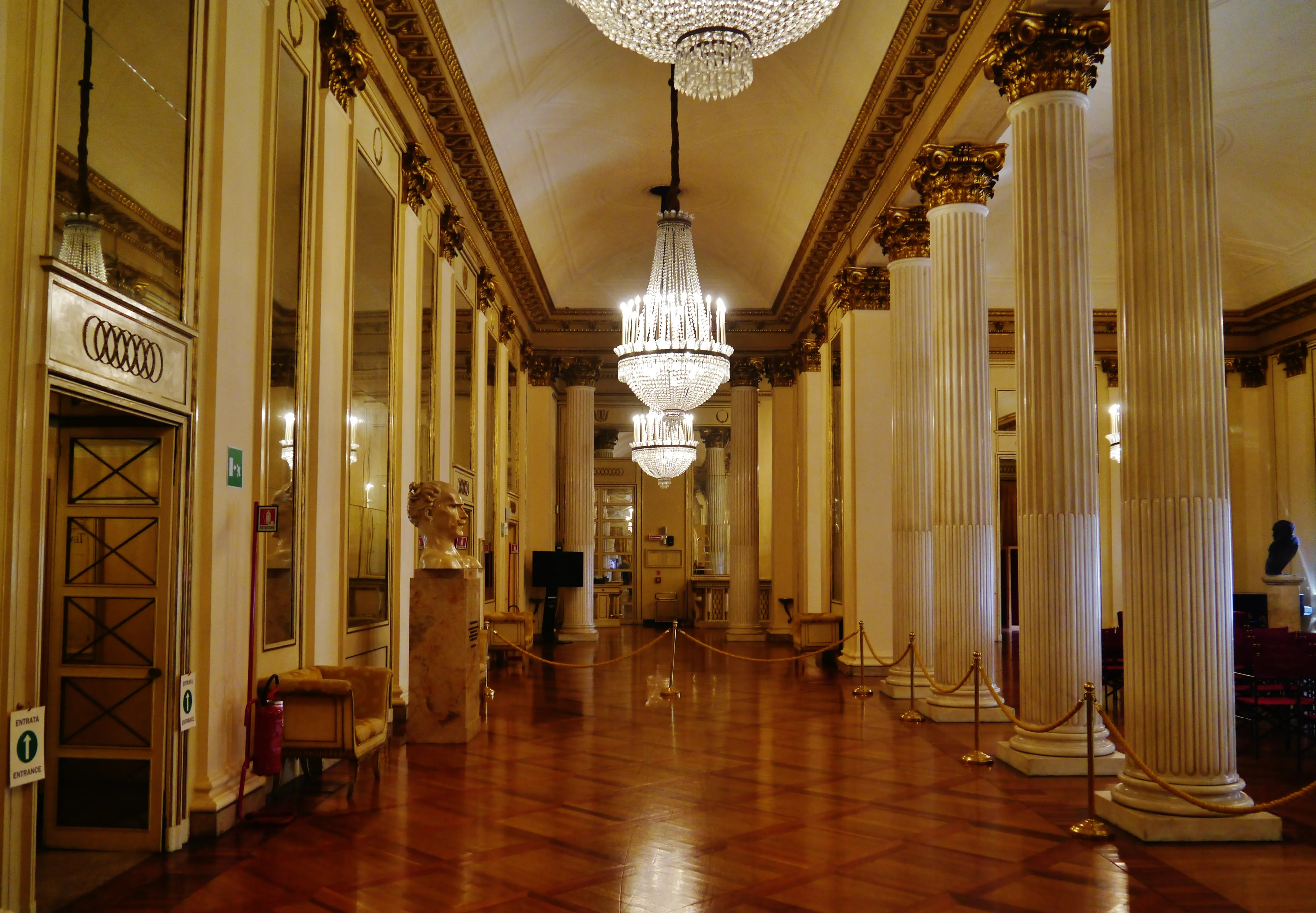
Foyer Ritual: Route, Mirrors, and the Social Choreography
From threshold to foyer: how routes, mirrors, and materials choreograph etiquette, gaze, and the shared prelude.
→
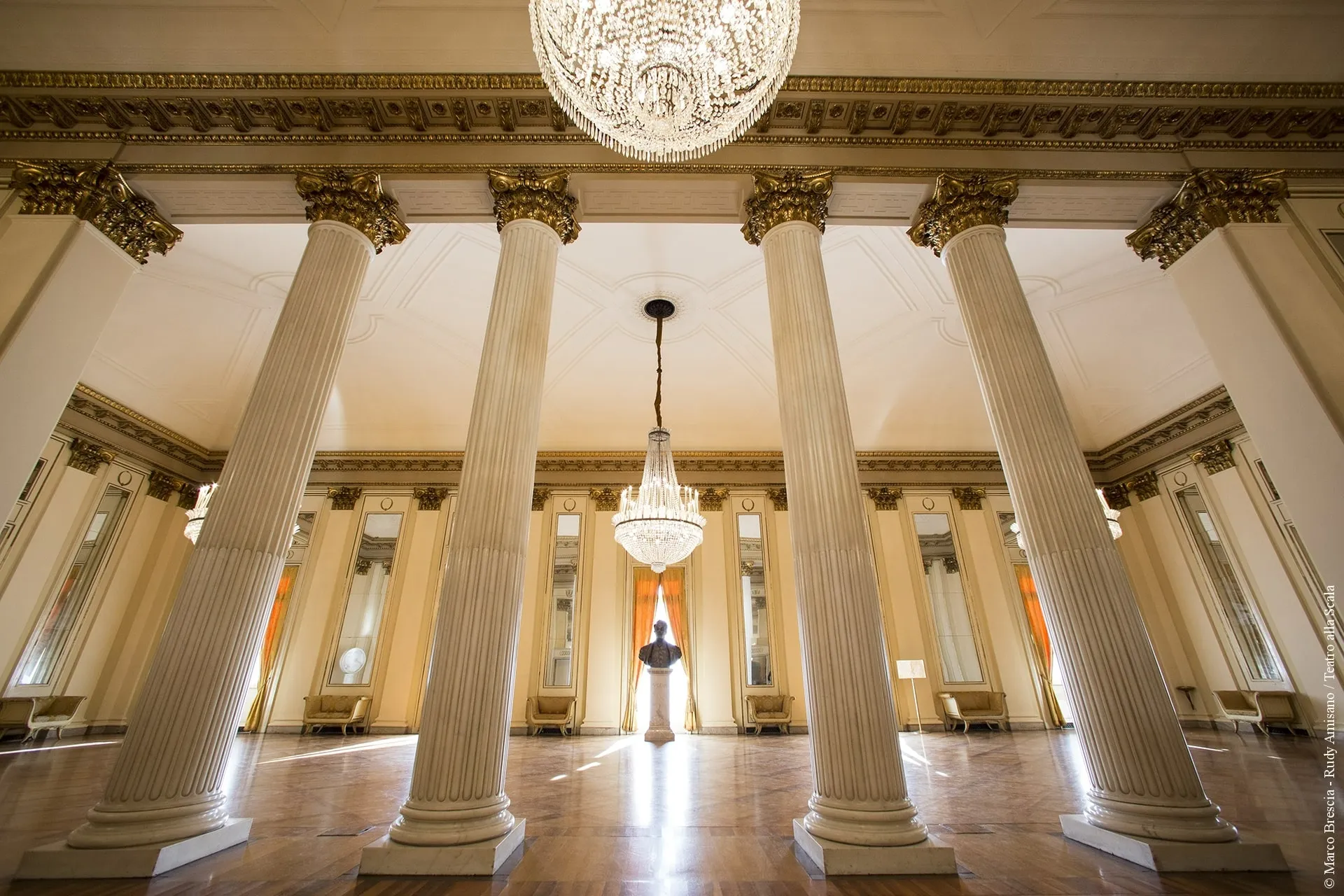
Main Hall: Geometry, Acoustics, Sightlines
The horseshoe geometry, reverberation, and sightline logic that make La Scala’s main hall legendary.
→
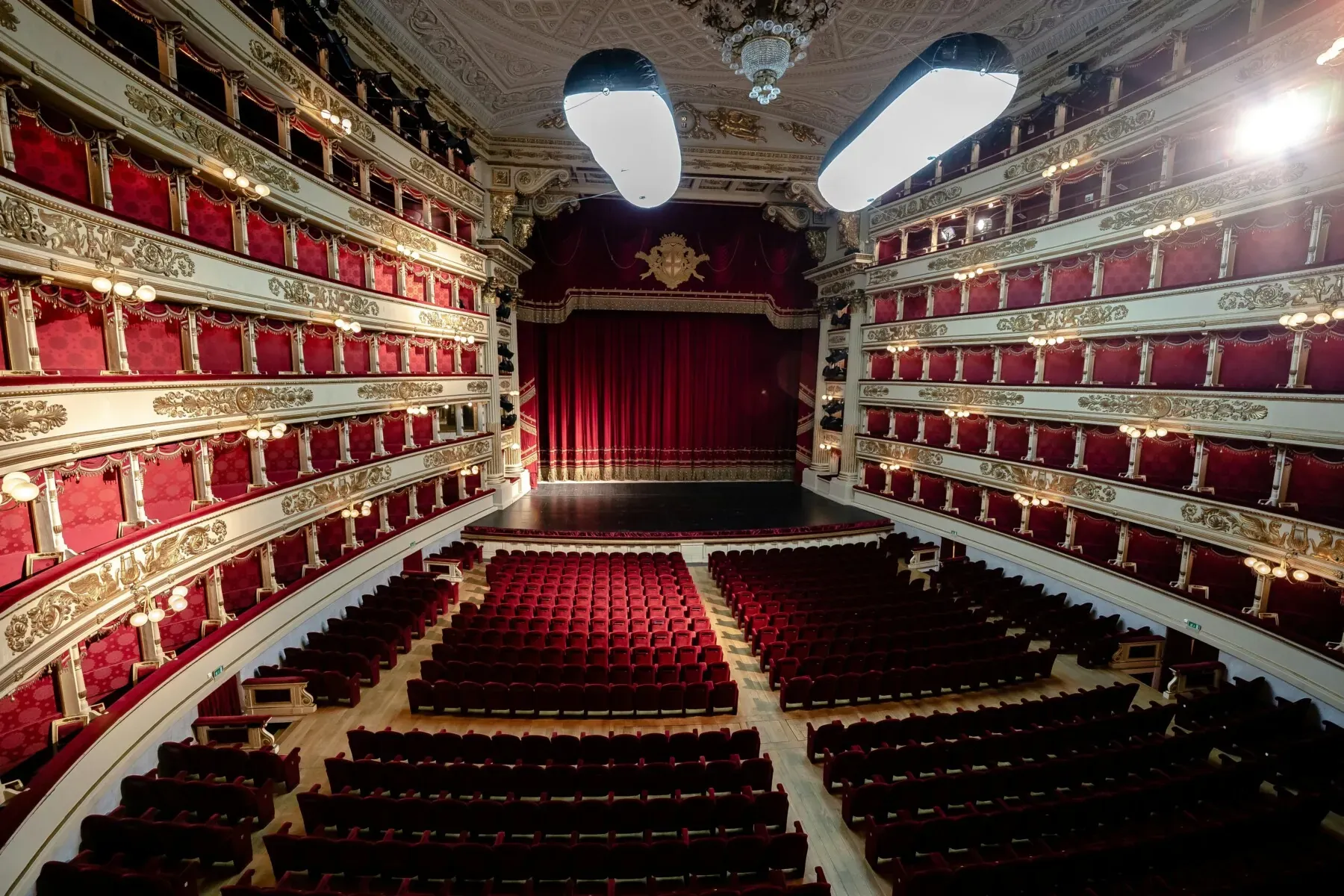
Stage Machinery: Sight, Sound, and Backstage Logic
From the stage, La Scala is a city of pulleys: a quick tour of machinery, sightlines, and safety choreography.
→
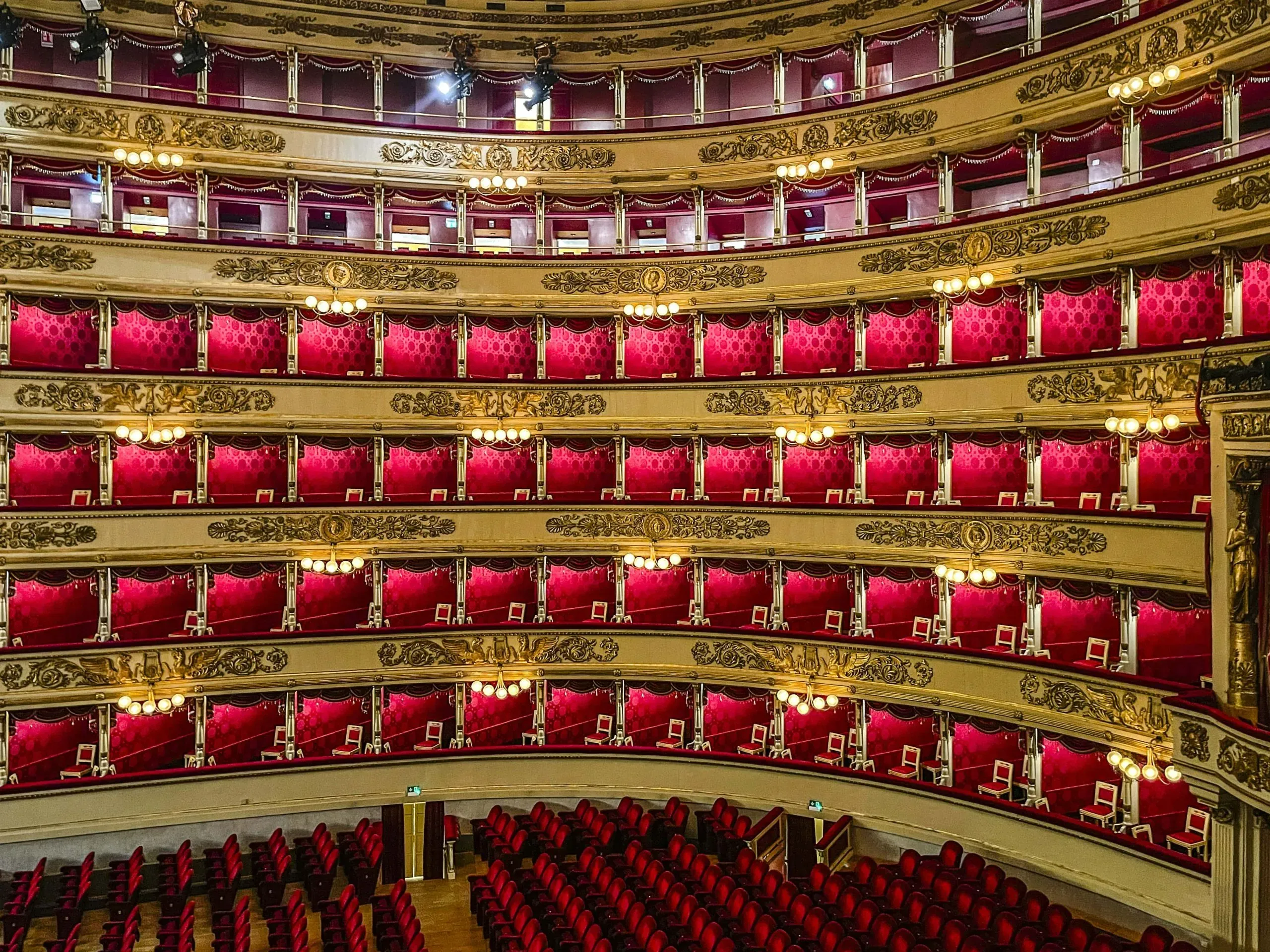
From the Gallery: Sight, Sound, and Community
The high tiers at La Scala are a school of listening: why the gallery matters for sound, budget, and community.
→
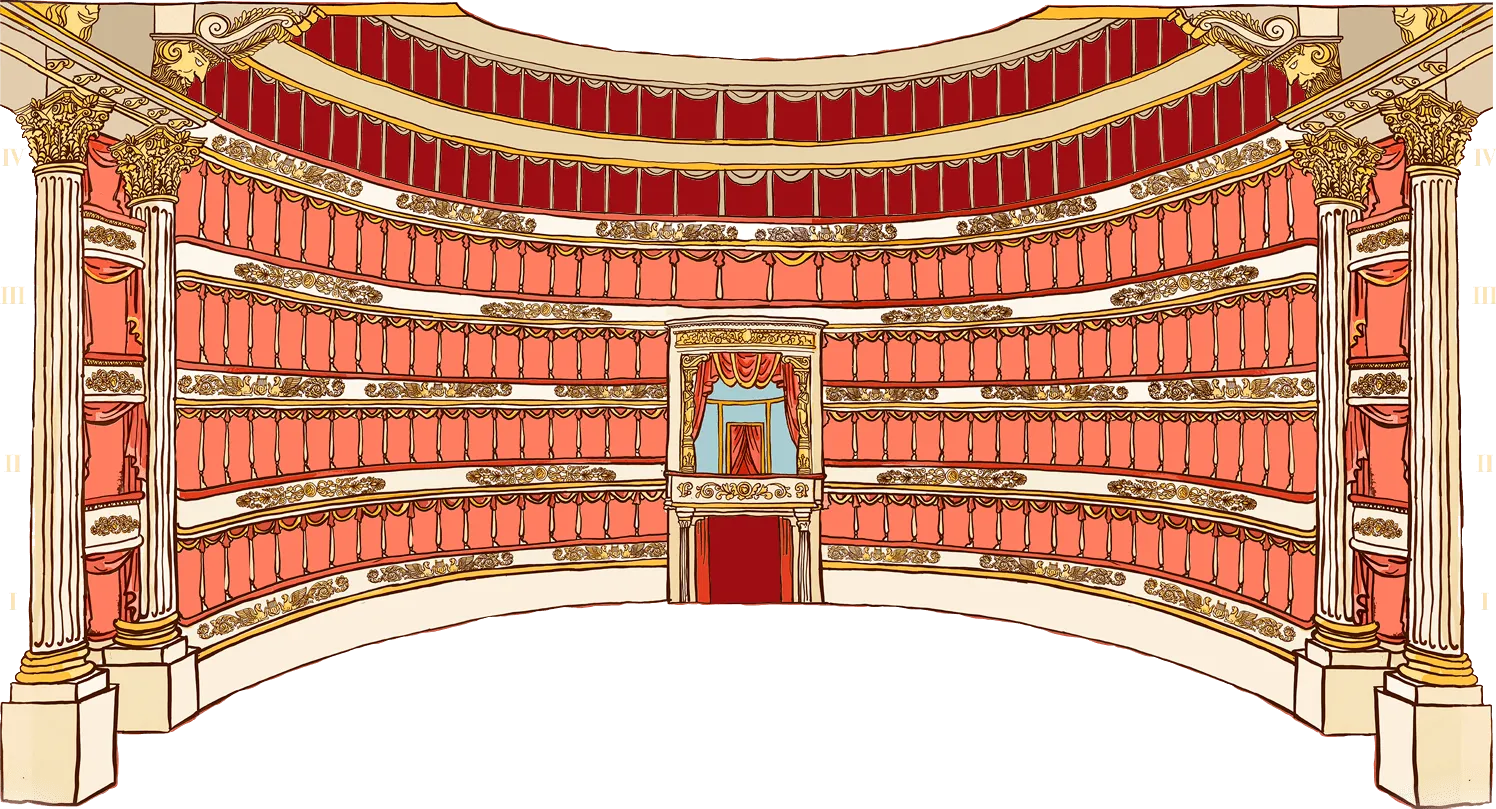
Seating Map Guide: Sightlines, Acoustics, and Budget Choices
How to choose seats at La Scala: a practical guide to sightlines, acoustics, and budget trade-offs.
→
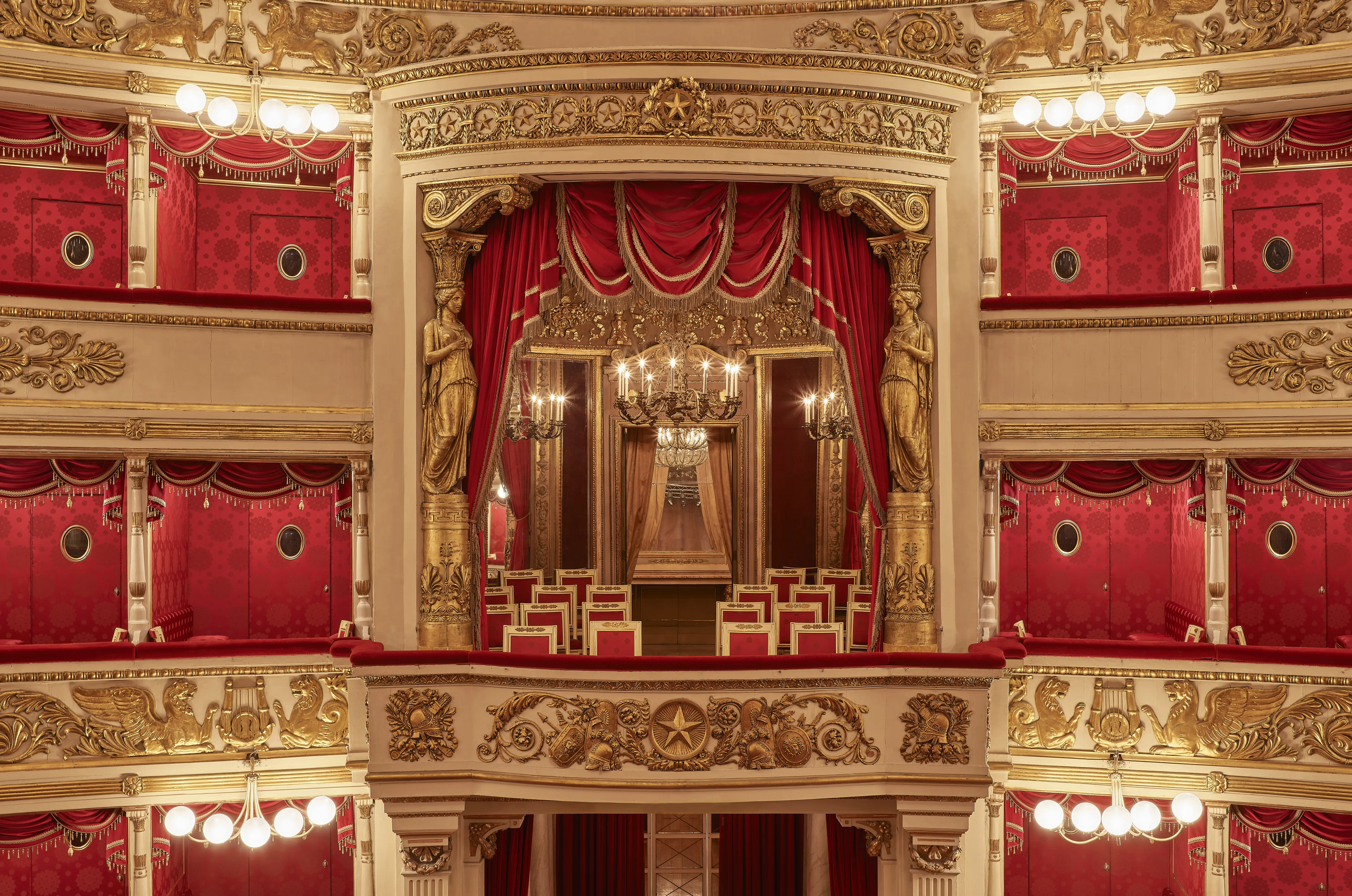
Honor Tribune: History, Protocol, and the View
The honor tribune at La Scala: its history, protocols, and why its view has political acoustics.
→
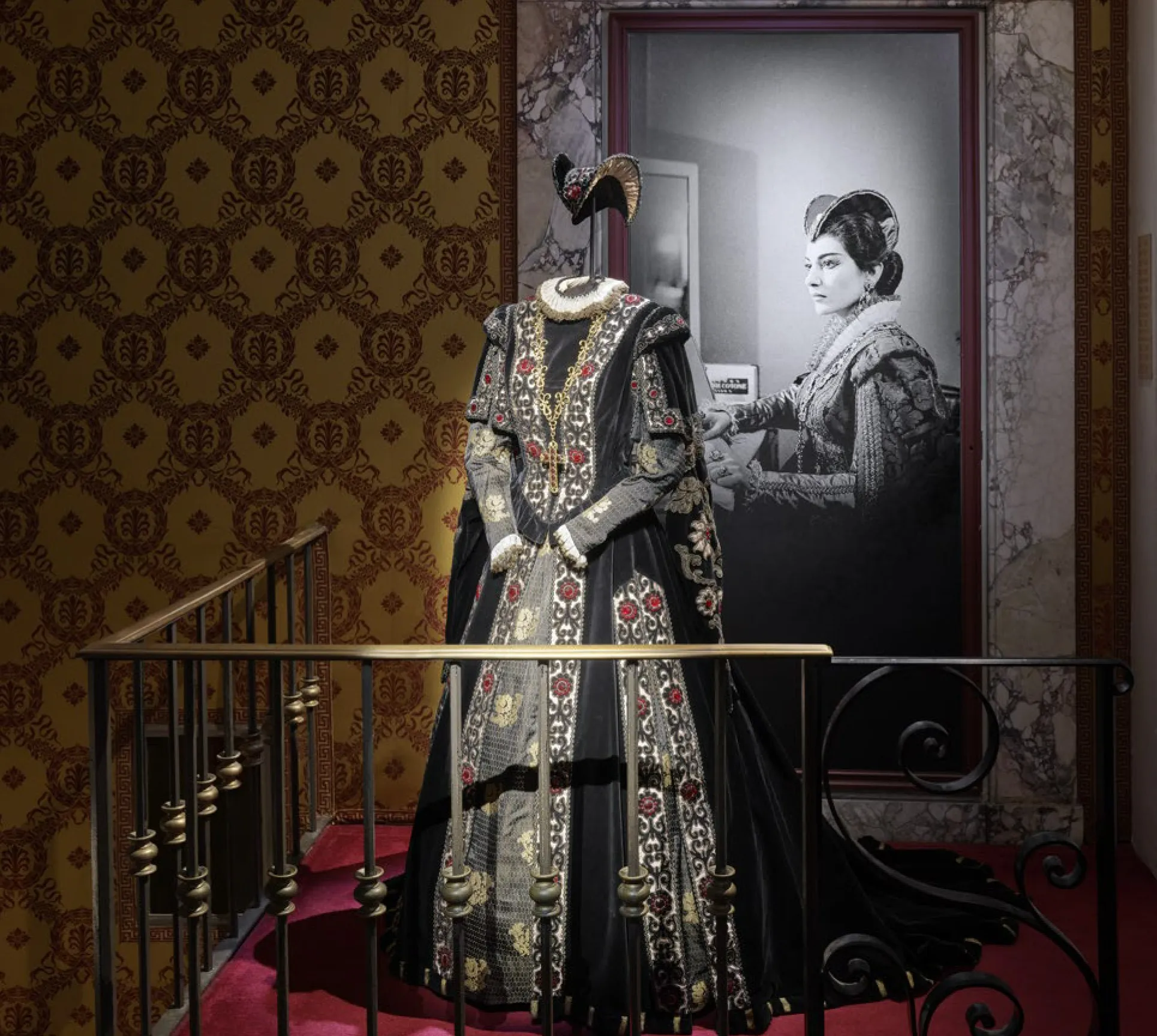
Maria Callas: Costumes, Staging, and the Vocal Myth
Callas at La Scala—a look at costumes, staging innovations, and how acoustics shaped the legend.
→
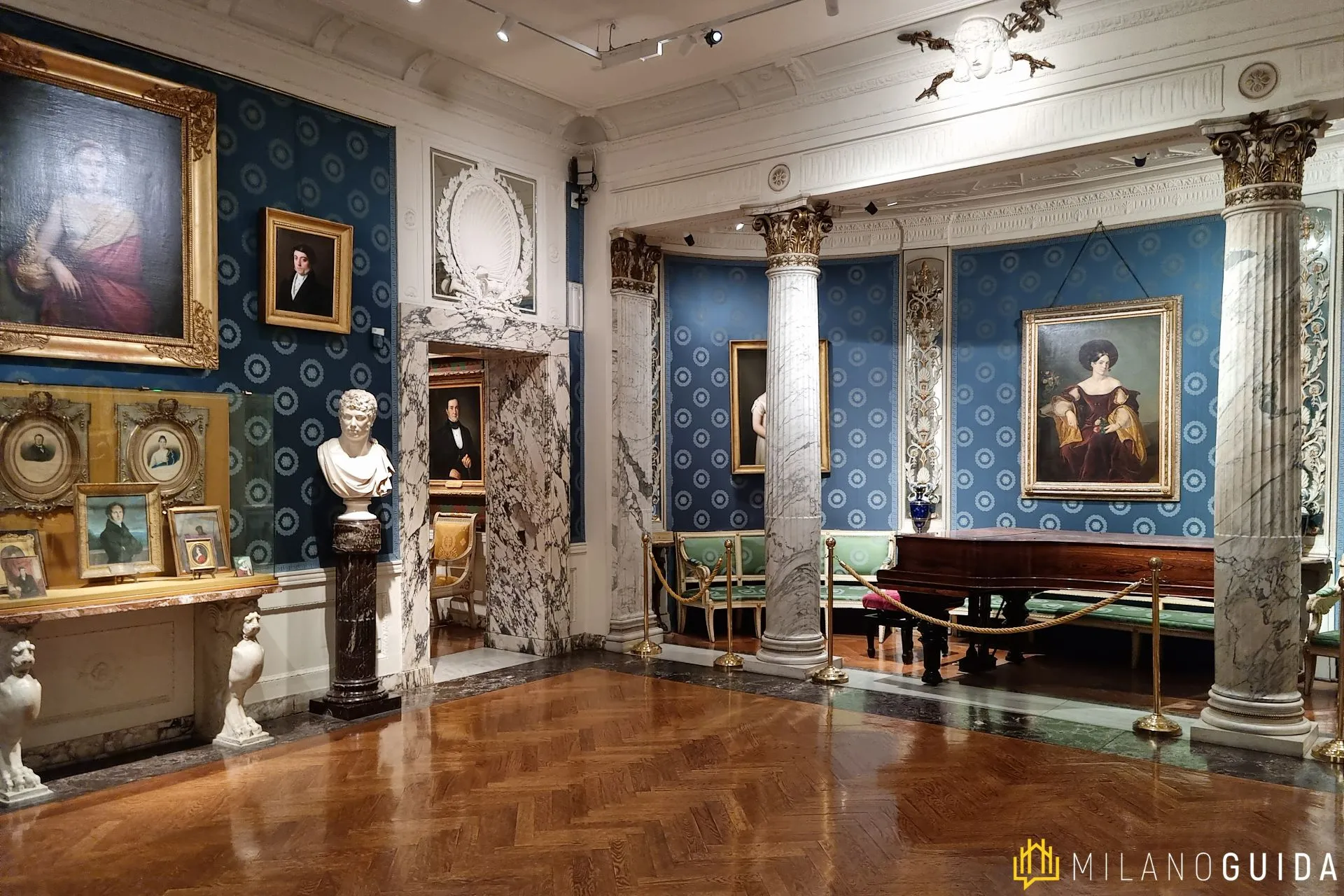
Museum Collections: Costumes, Instruments, and Statues
Inside La Scala’s museum—costumes, instruments, and statues that narrate centuries of performance.
→
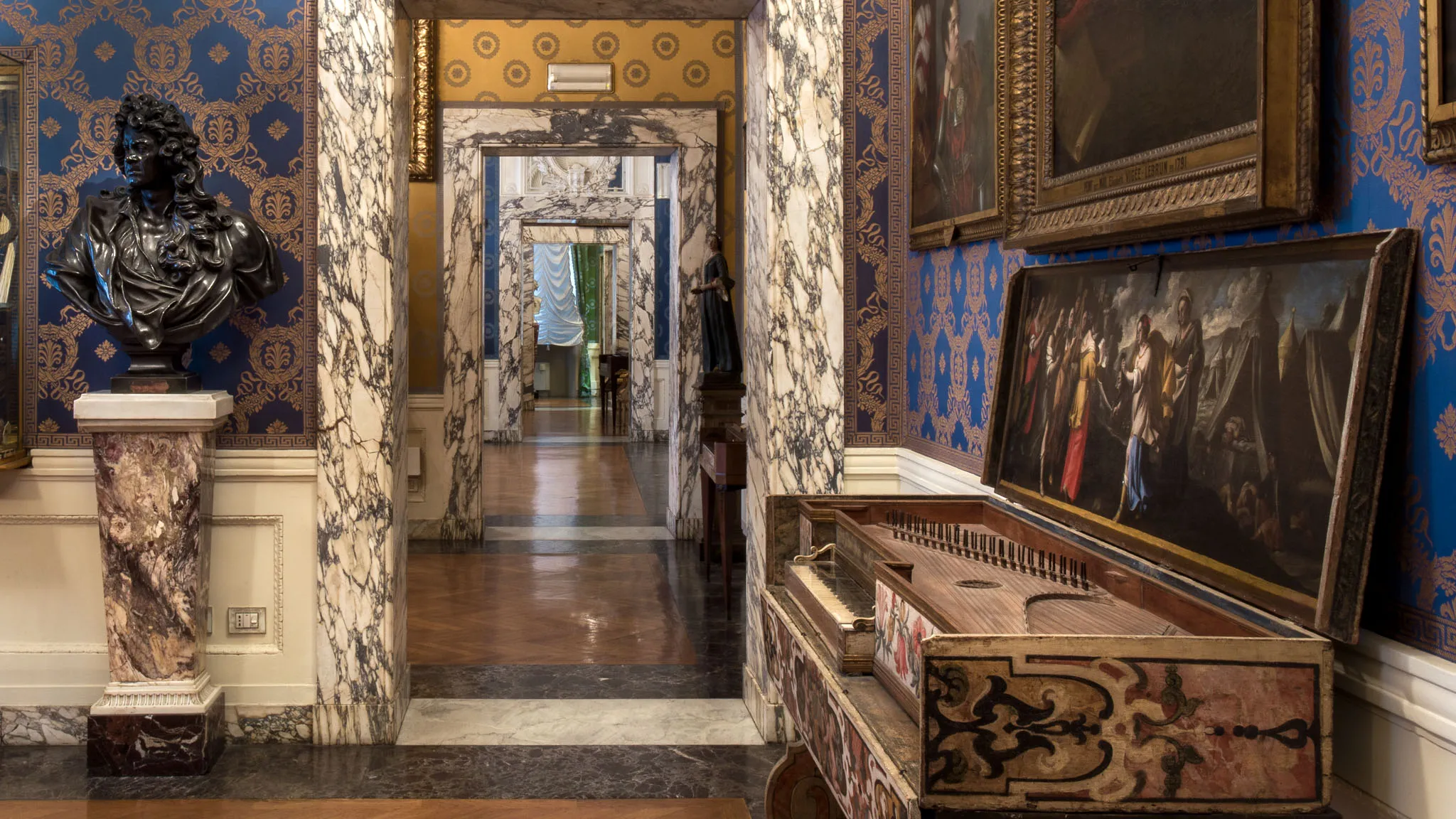
Clavicembalus: Instruments and Early Opera Practice
What the museum’s clavicembalus tells us about early opera practice and continuo culture.
→
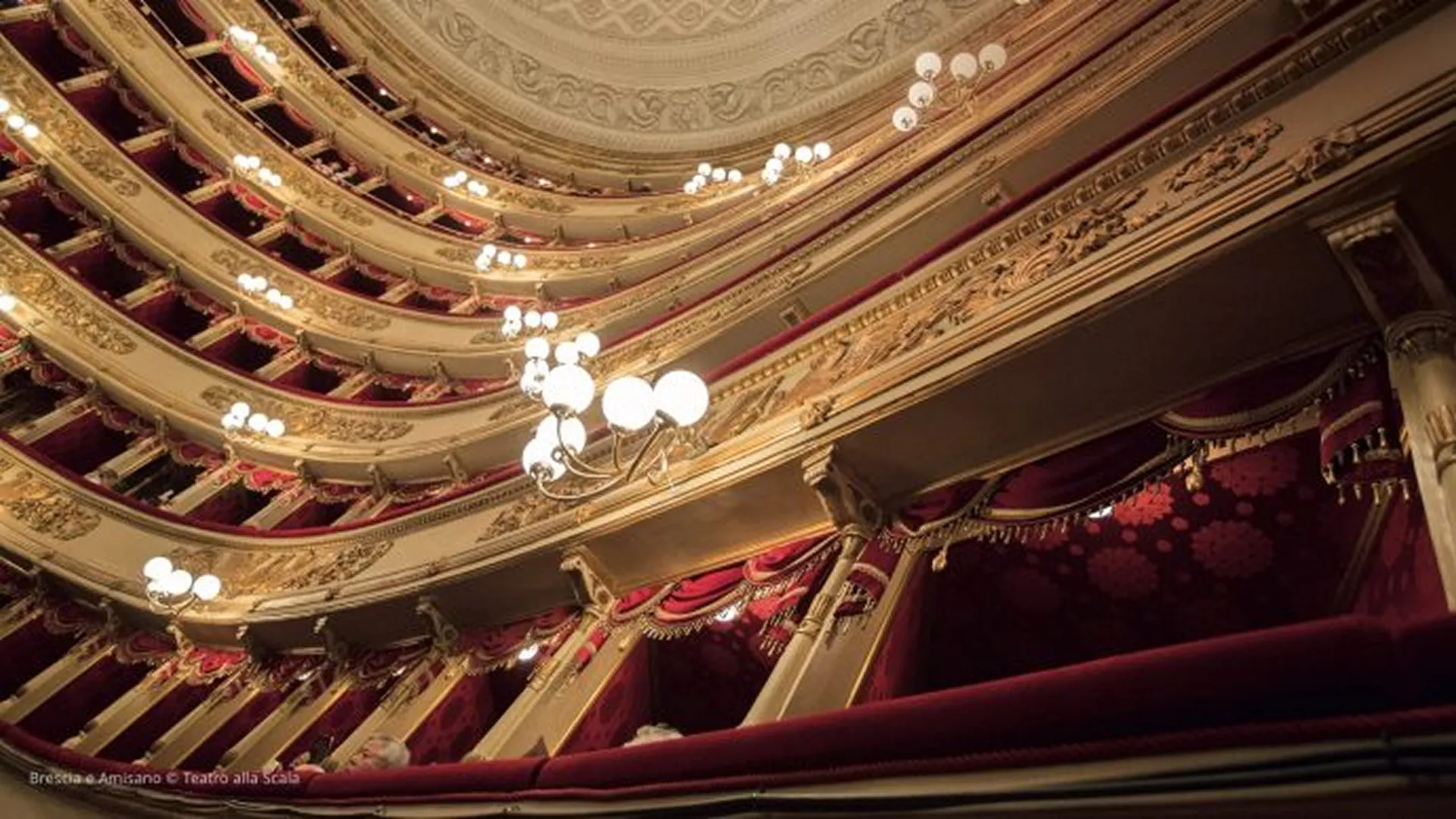
Lights & Chandeliers: Material Logic and Atmosphere
Detailing the lights: materials, maintenance, and how chandeliers shape perceived warmth and ritual.
→
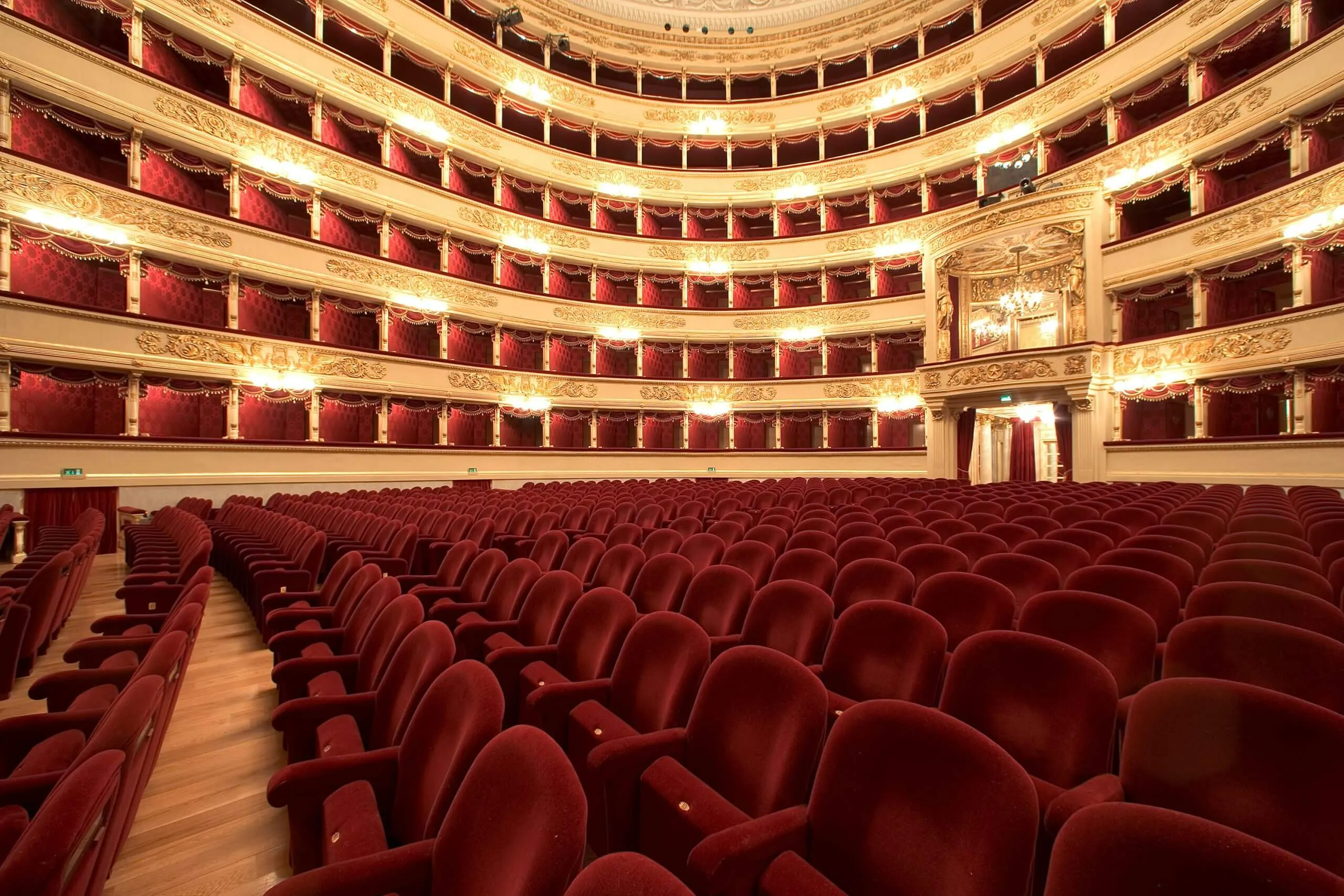
Seats & Comfort: Ergonomics, Materials, and View
Ergonomics and materials of seating at La Scala—why comfort supports listening and view.
→
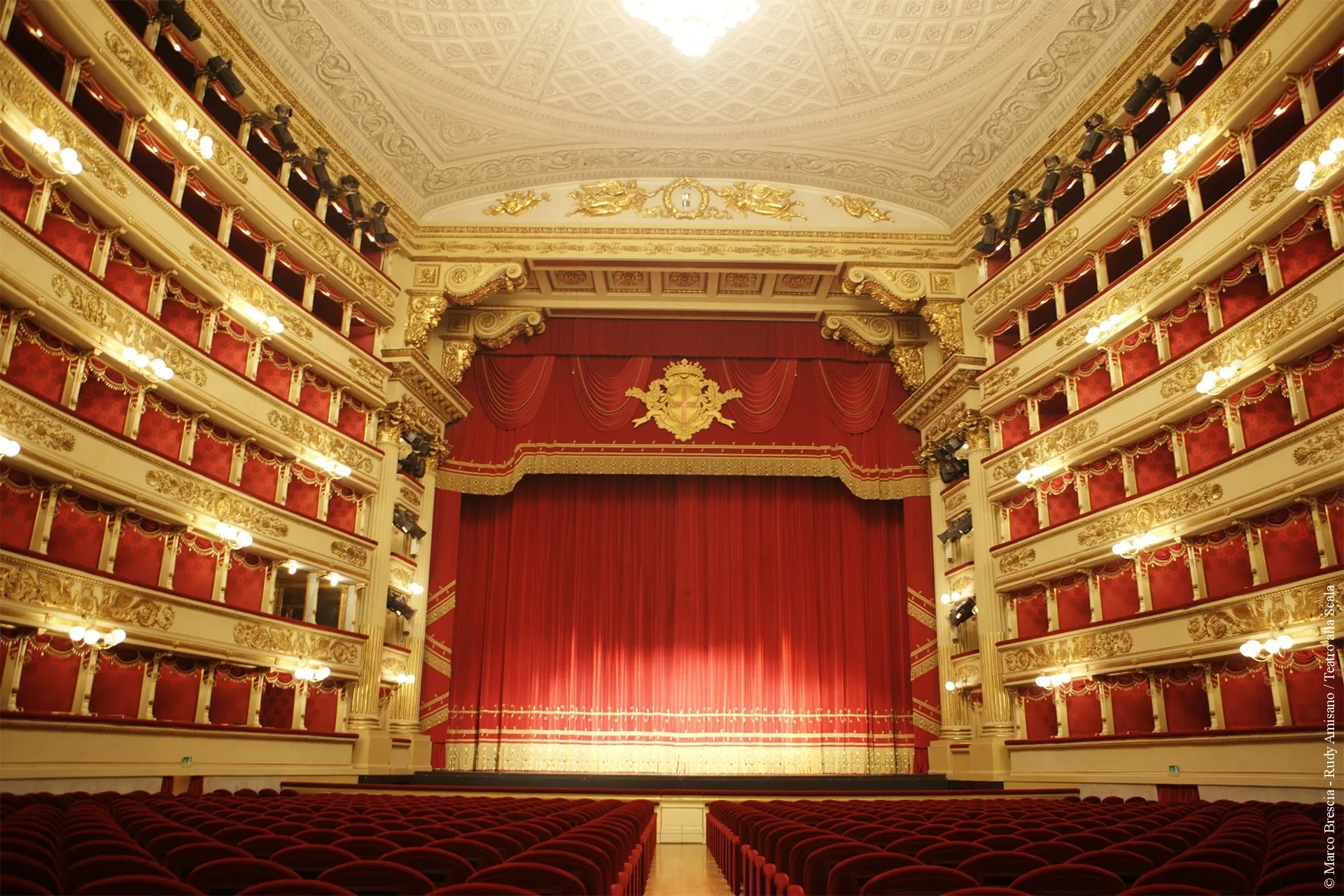
Curtain & Proscenium: View From Stage and Gesture
From the stage, the curtain and proscenium frame gesture, sound release, and audience gaze.
→
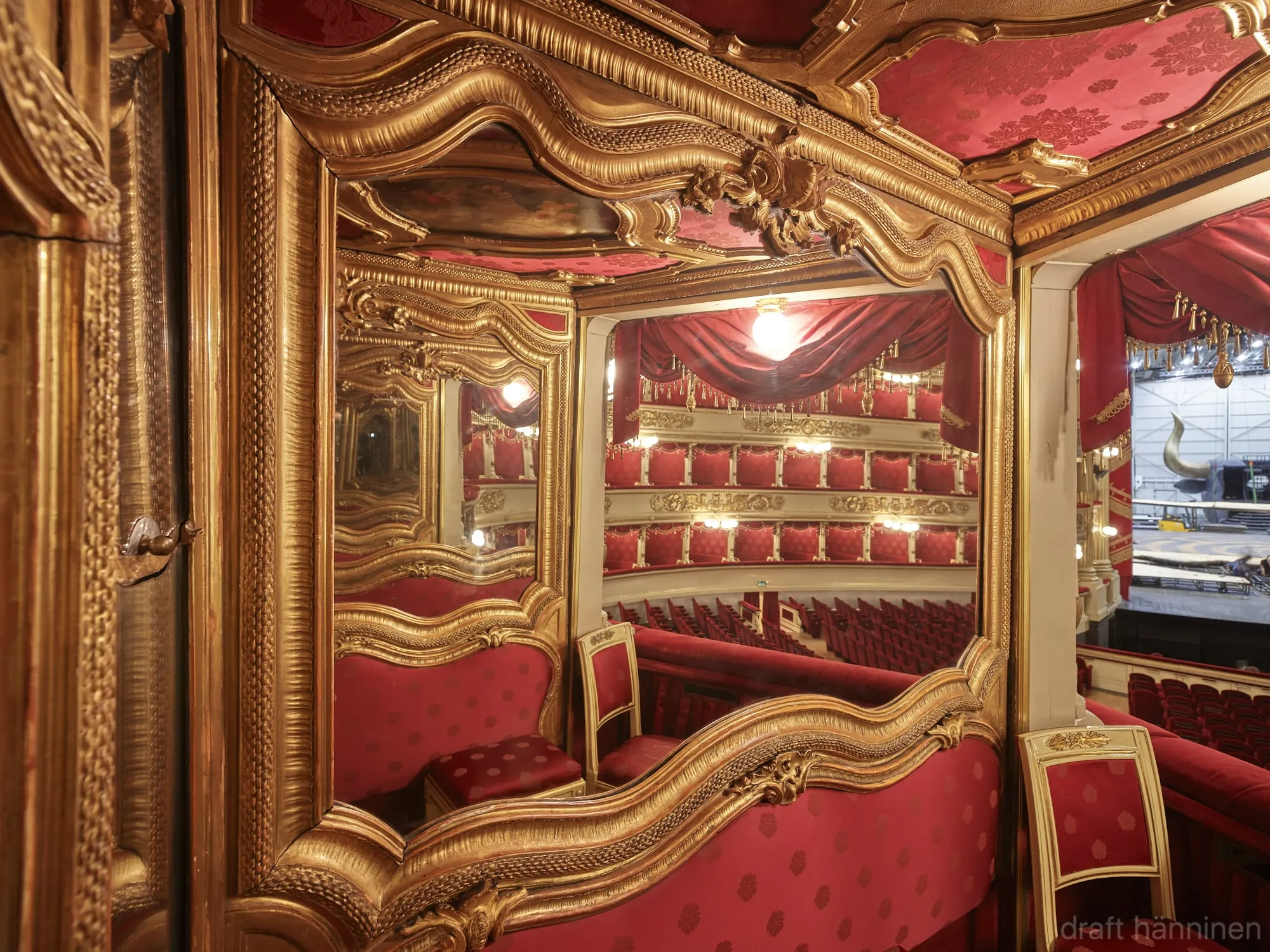
Foyer Mirrors: Detail, Light, and Comportment
Mirror details in the foyer—how light and angle shape comportment and pre-performance mood.
→
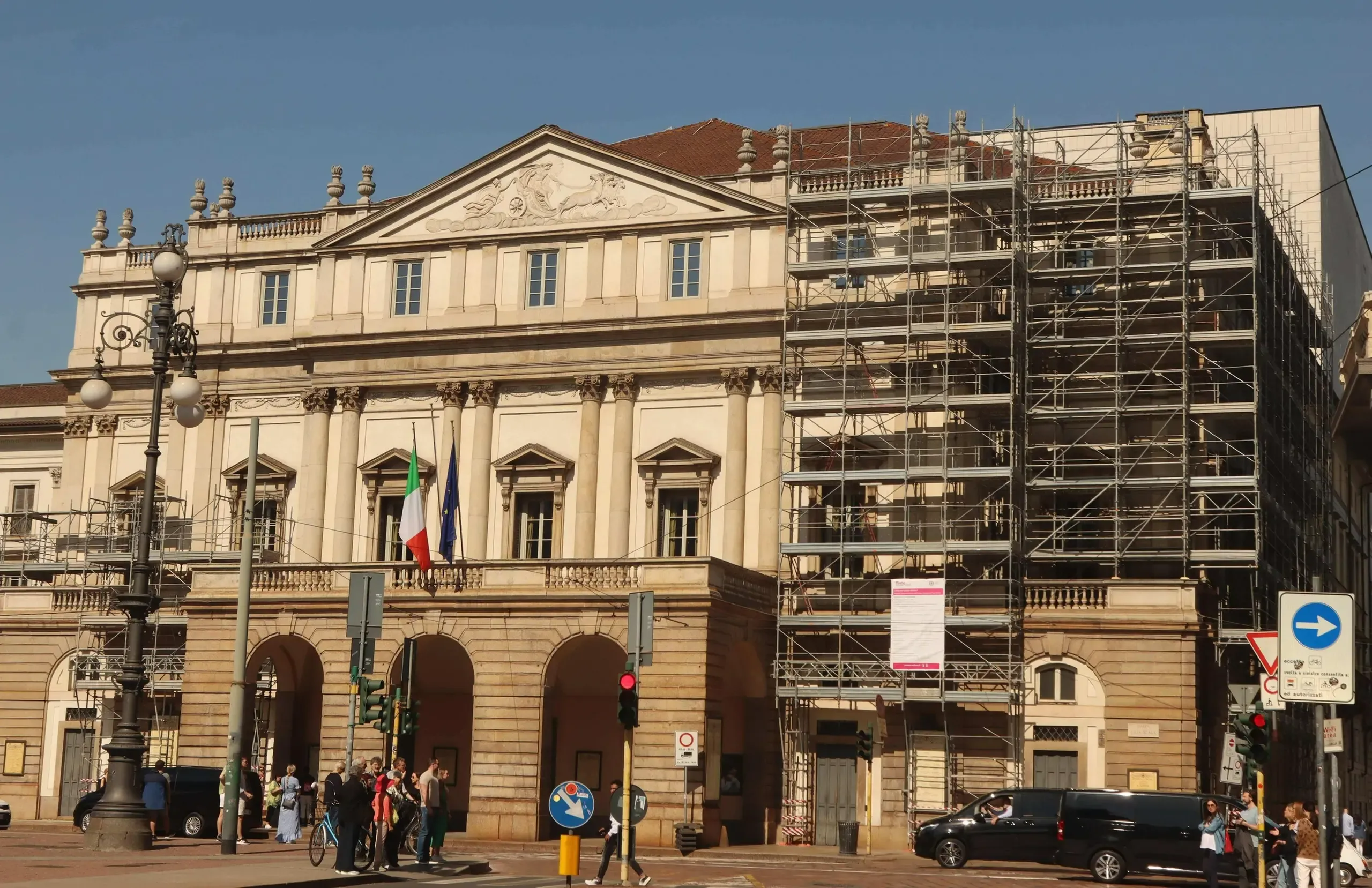
Exterior Restorations: Stone Cleaning and Mortar Logic
Restoration campaigns: stone cleaning, mortar selection, and how interventions keep material truth while aging gracefully.
→
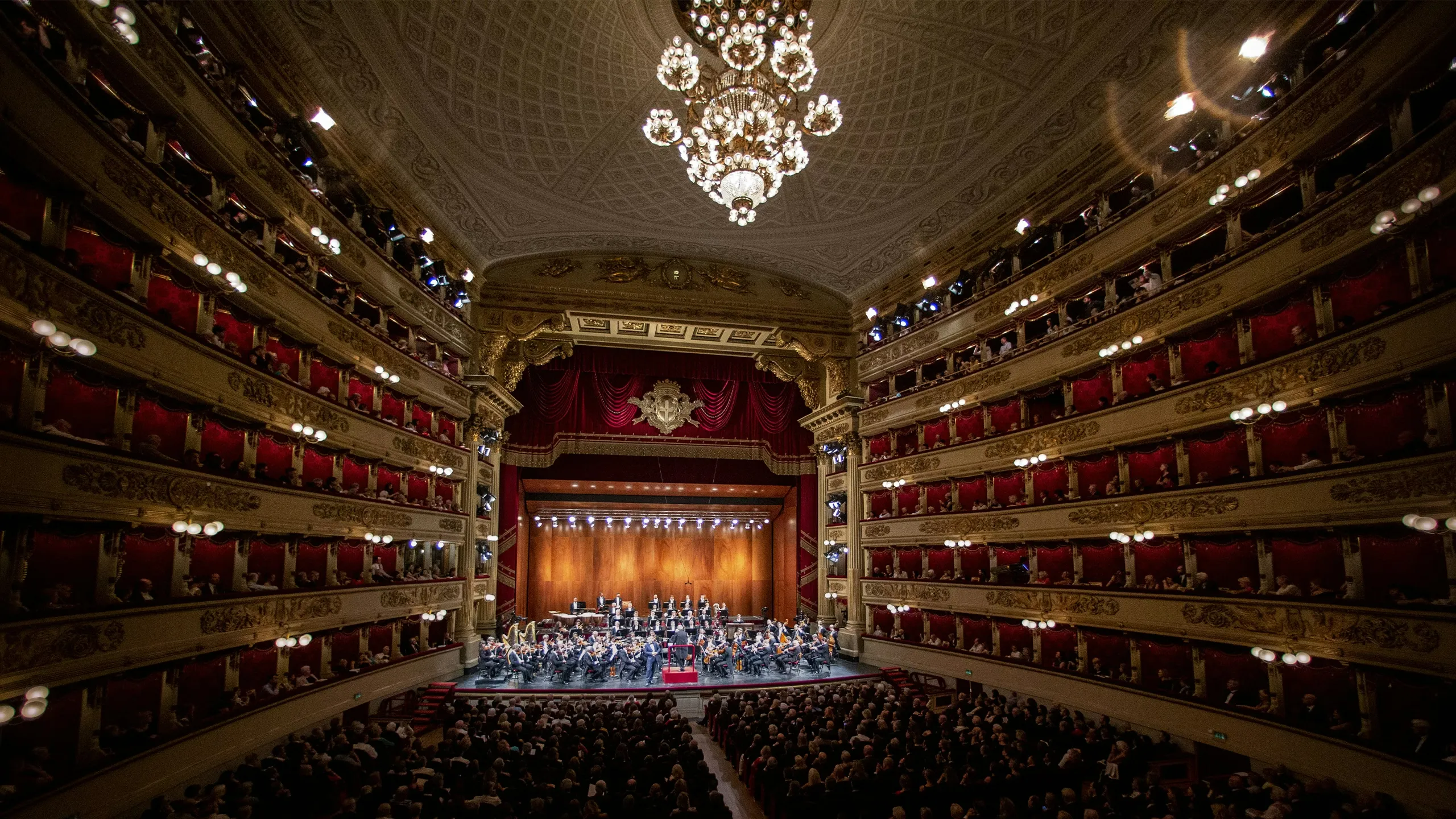
Concerts & Pit: Layout and Balance
Concerts at La Scala and the orchestra pit: how layout and balance support repertoire and acoustics.
→
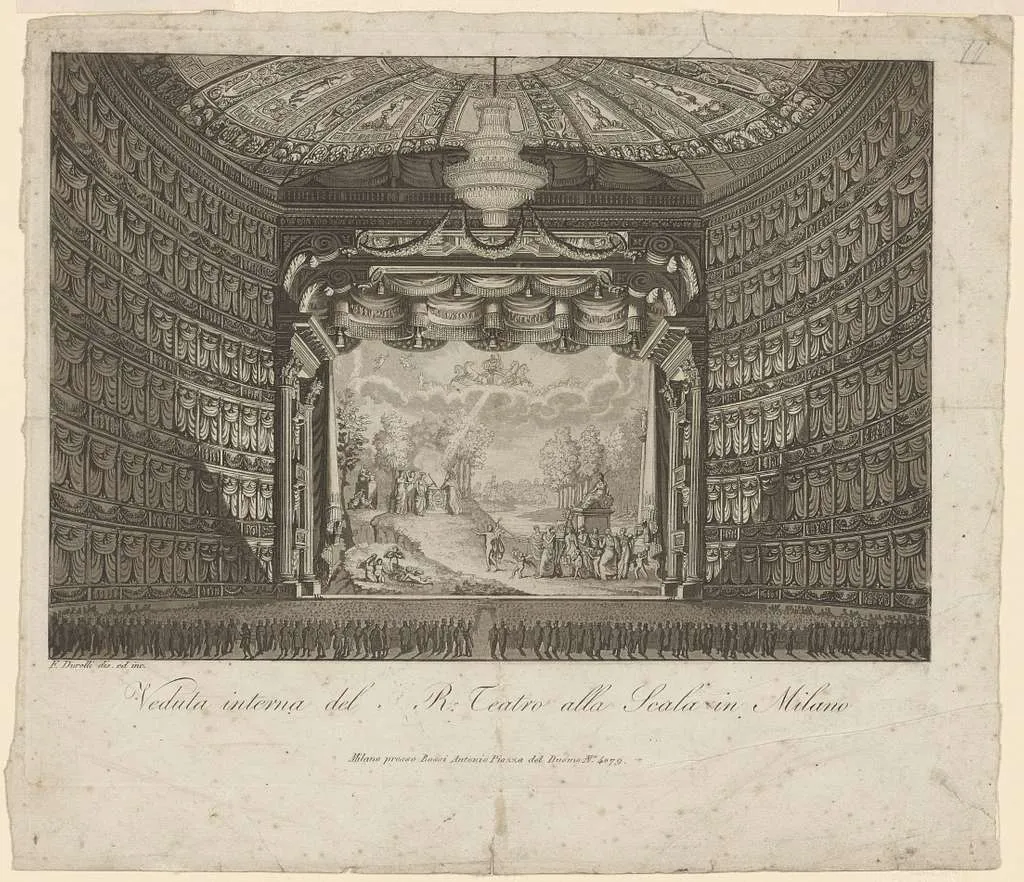
Historical Posters: Internal Views and Programming
Old posters and internal views—how programming and visual culture framed La Scala’s identity.
→
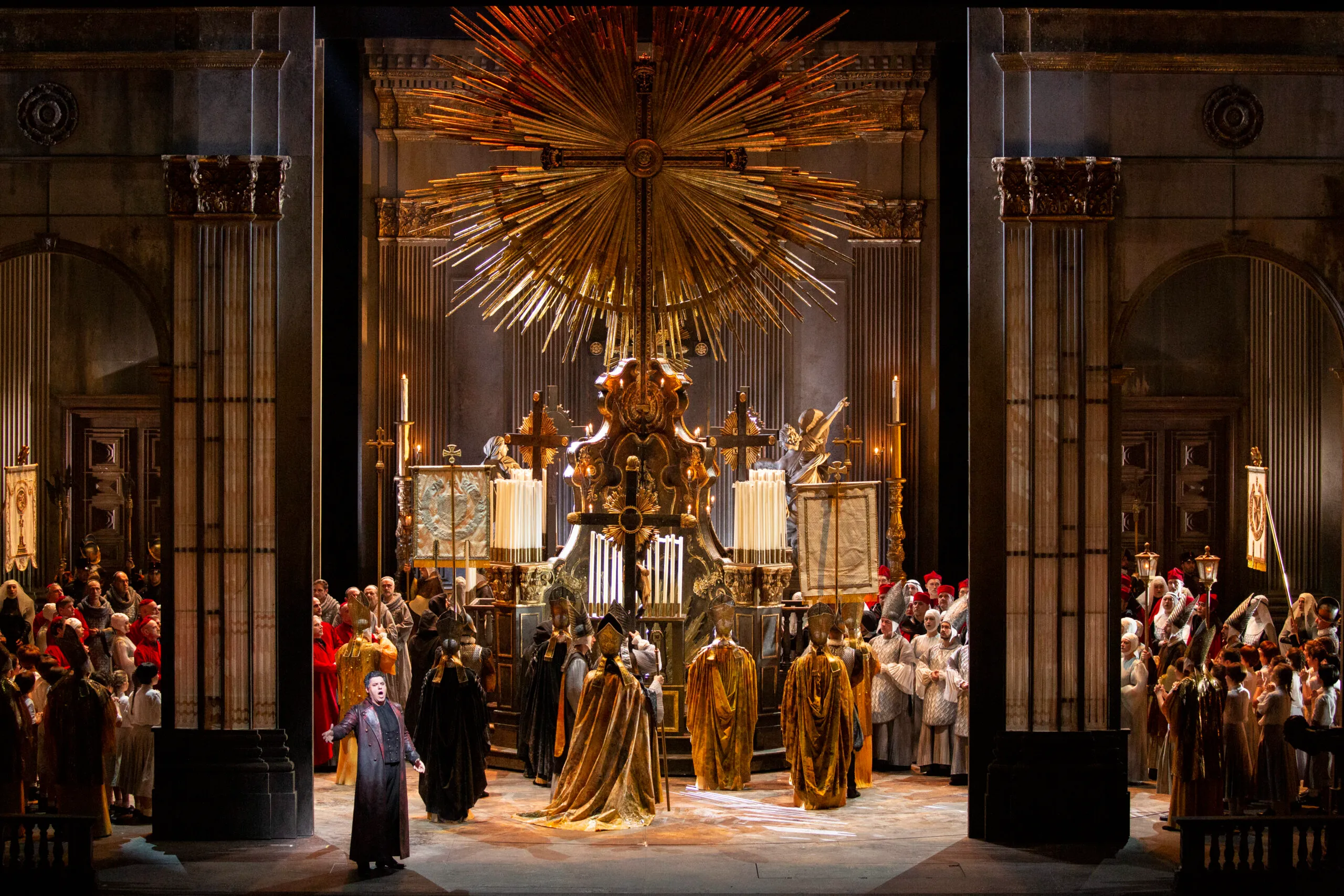
Tosca: Production Notes on Staging and Acoustics
A production note on Tosca at La Scala—staging choices and acoustic considerations for Puccini’s drama.
→
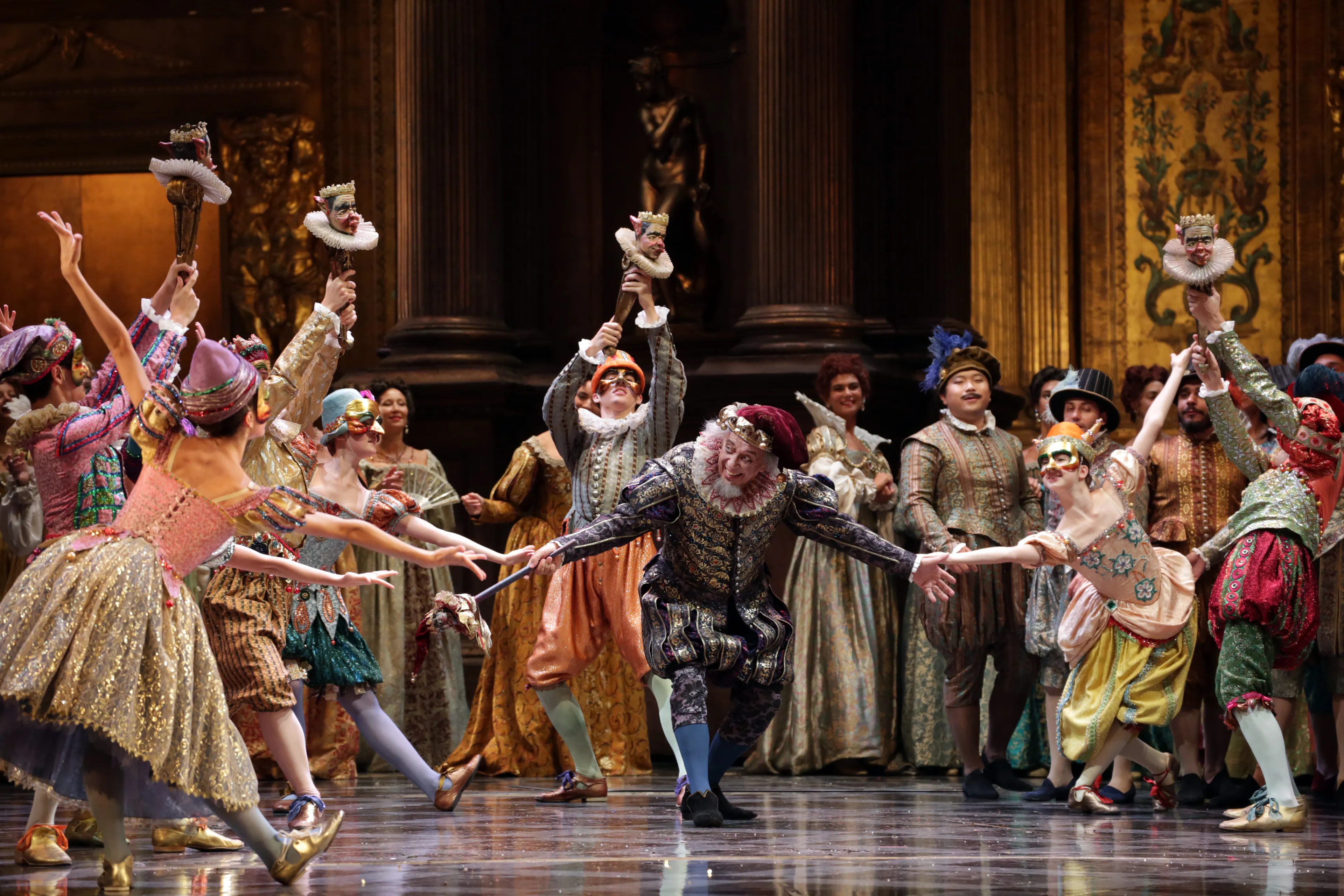
Rigoletto: Scene Design, Costume, and Space
Rigoletto at La Scala—scene design, costume logic, and spatial framing for Verdi’s tensions.
→
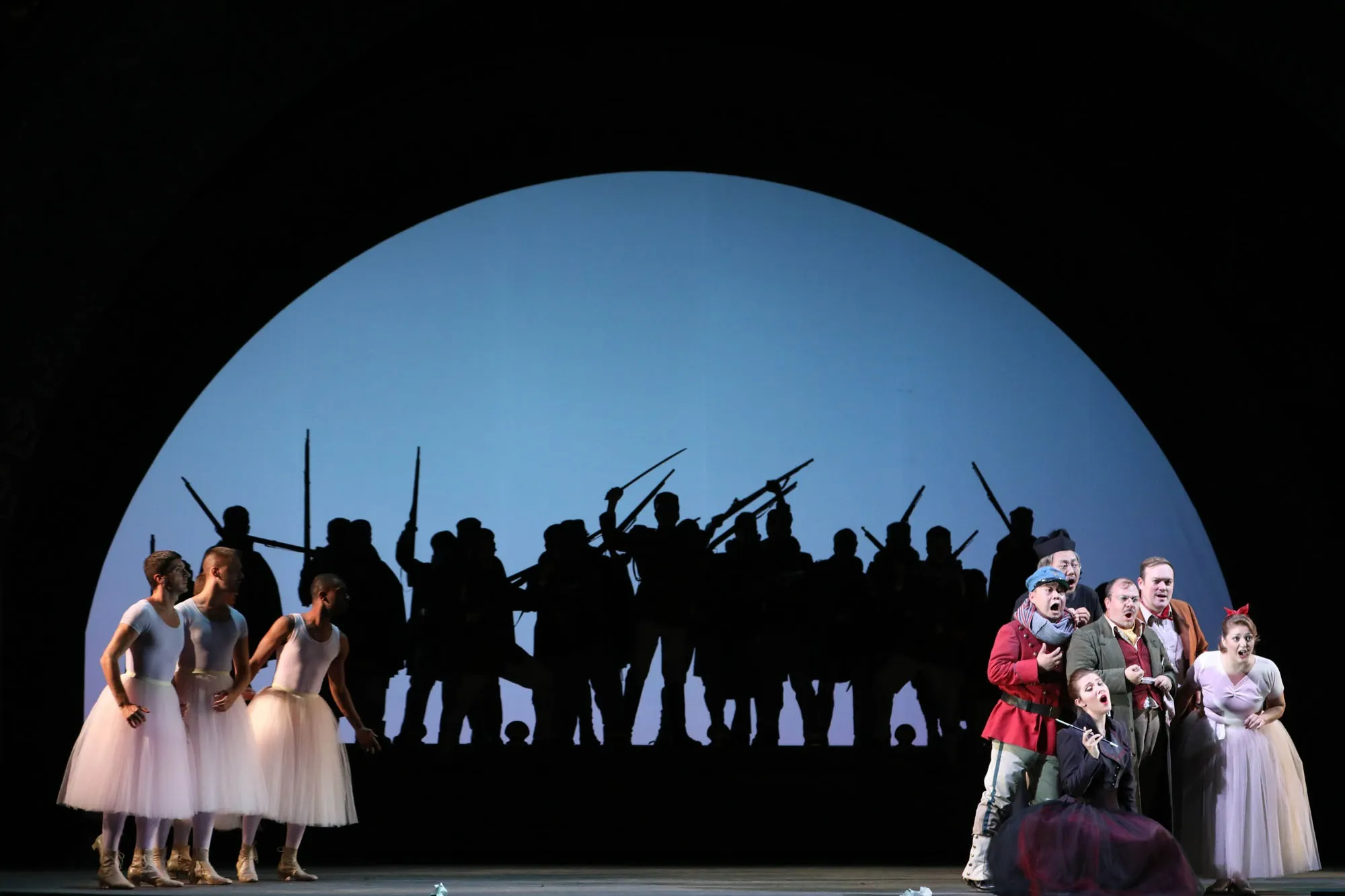
The Barber of Seville: Timing and Comic Clarity
Rossini’s comic timing at La Scala—blocking, acoustic clarity, and audience sightlines for laughter’s geometry.
→