开放时间09:30 AM – 05:30 PM
|星期二, 十月 13, 2026Piazza della Scala, 20121 Milano MI, Italy
返回 architecture
lighting
La Scala’s Night Lighting and Urban Atmosphere
A study of illumination strategies and materials that shape La Scala’s presence after dark.
12/22/2025
15 min read
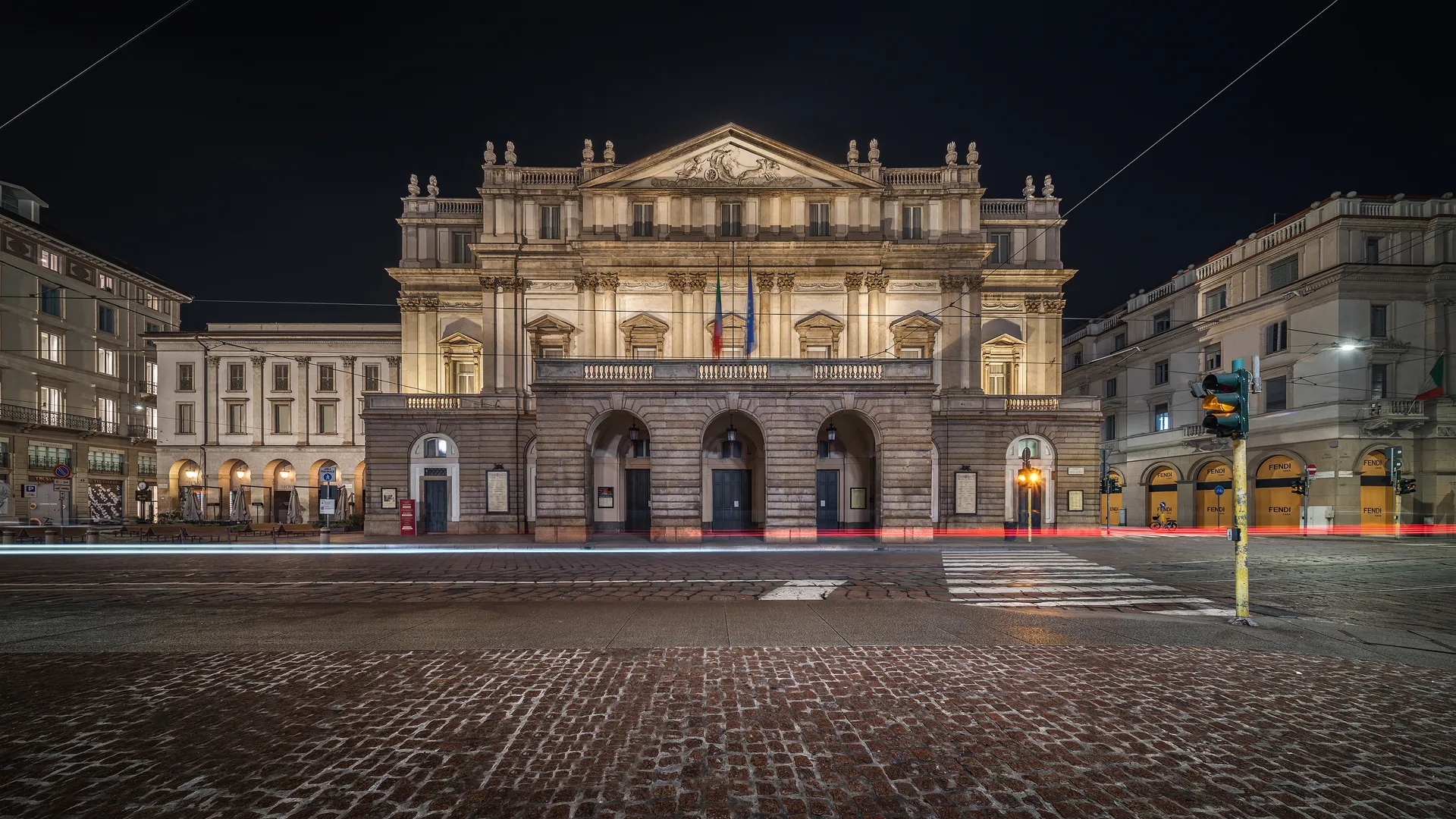
At night, La Scala becomes a lantern of civility. Warm color temperature, controlled glare, and the albedo of stone compose an atmosphere that is both ceremonial and inviting.
💡 Lighting Strategy
- Uplight vs. graze: Discrete grazing reveals cornice relief without flattening.
- Color temperature: ~2700–3000K balances warmth and stone fidelity.
- Cutoff control: Shields avoid light spill into neighbouring residences.
📐 Technical Snapshot
| Parameter | Target | Effect |
|---|---|---|
| Illuminance | 60–120 lx | Facade legibility |
| CCT | 2700–3000K | Warmth, material truth |
| CRI | ≥90 | Color rendering of stone |
🎭 Urban Ritual
- Anticipation space: The lit facade marks pre-performance gathering.
- Photographic moment: Visitors stage selves before staged performance.
Good lighting frames conduct: arrivals slow, voices drop, attire matters.
[^lighting]: Field measurements and designer interviews corroborate strategies from the last retrofit.
🧭 Context & Program
- Arrival windows: 45–20 minutes pre‑curtain; lighting supports wayfinding and mood.
- Intermission glow: Slightly raised illuminance encourages social mixing.
🔧 Fixtures & Control
- DMX zones: Independent cornice, pilaster, and plinth control.
- Dimming curves: Non‑linear curves avoid perceptual jumps.
📊 Performance Check
| Test | Target | Result |
|---|---|---|
| Uniformity | ≥0.5 | Balanced graze |
| UGR proxy | Low | Minimal glare |
| Spill | < 5% | No residential light trespass |
❓ FAQ
- Why warm light? Warmth fosters ceremony and matches historic stone.
- Is blue used? Limited; blue can flatten relief.
✅ Key Takeaways
- Lighting scripts behavior with gentle precision.
- Material reflectance is a partner in night design.
关于作者

Lighting Designer
作为热爱米兰与音乐的人,我撰写此指南,助你在斯卡拉感受传统的灵魂——从盛大首演到幕后的静谧工艺。
Tags
Lighting
Urban Atmosphere
Facade
Milan
Night
Comments (0)
Leave a Comment
Loading comments...