开放时间09:30 AM – 05:30 PM
|星期二, 十月 13, 2026Piazza della Scala, 20121 Milano MI, Italy
返回 design
stage
Stage Machinery and Backstage Choreography at La Scala
A backstage look at machinery, sightlines, and safety protocols that support performance magic.
12/26/2025
16 min read
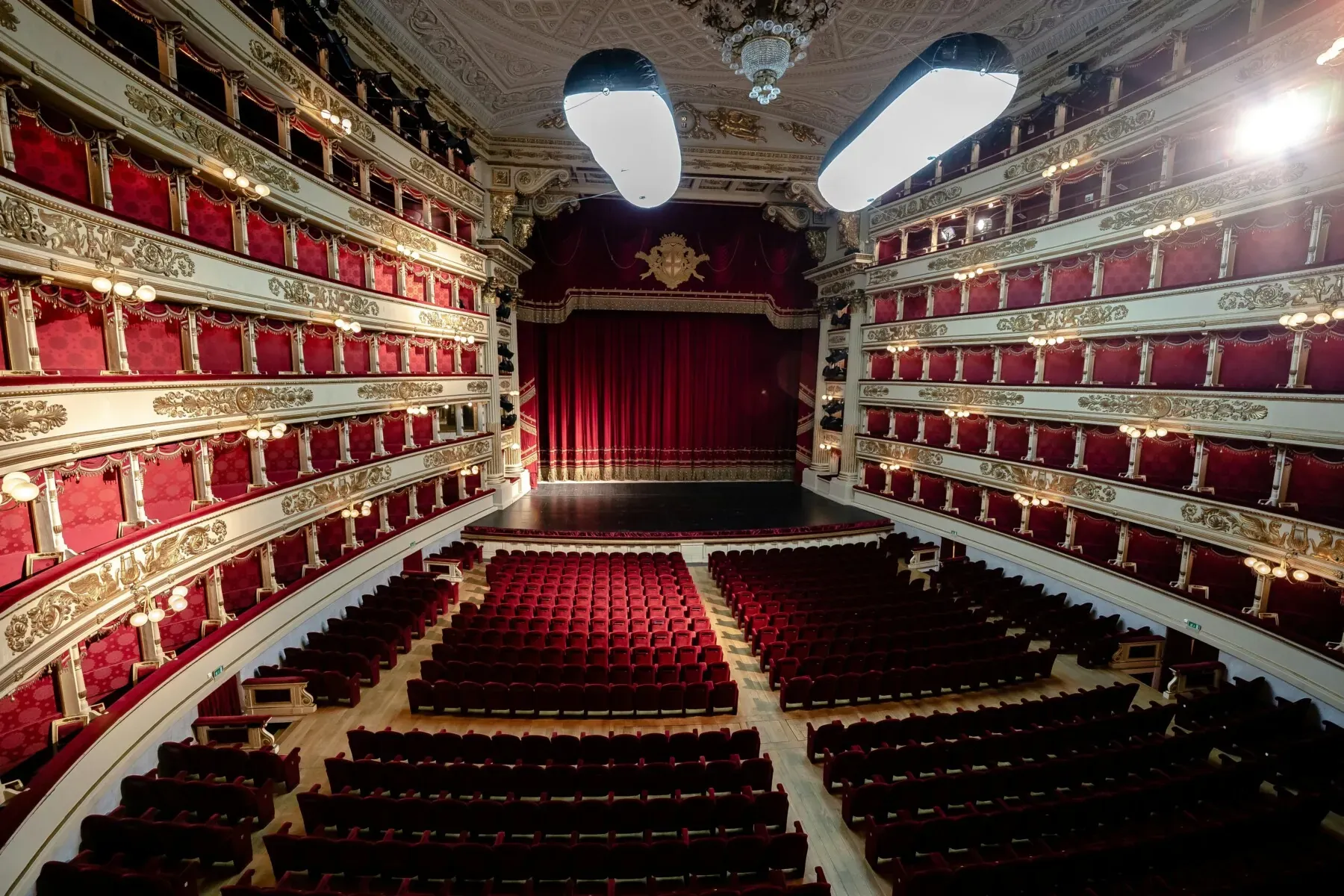
From the stage, the hall becomes a grid of cues. Pulleys, fly systems, and rigging thread light, sound, and scenery.
⚙️ Systems Overview
- Fly tower: Vertical clearance for drops and borders.
- Rigging points: Rated anchors ensure load paths.
- Cue lights: Color-coded to manage silent communication.
🔐 Safety Choreography
- Load ratings: Crew follows SWL tables; rehearsals include dry runs.
- Escape routes: Marked and maintained; low-illumination drills practiced.
Backstage is discipline—the unseen architecture of trust.
[^rigging]: Documentation aligns with European theatre rigging standards.
🧭 Crew Flow & Roles
- Flyman: Manages drops and trims.
- Props: Routes with quiet wheels and felt pads.
- Stage manager: Cue lights, calls, contingencies.
🔧 Systems & Redundancy
- Double‑purchase flys: Efficient counterweight management.
- Failsafes: Mechanical stops, routine inspections.
📊 Load & Safety Snapshot
| Item | SWL | Note |
|---|---|---|
| Batten | Rated | Verified quarterly |
| Point | kN range | Certification logged |
| Curtain | Timed | Speed adjusted per show |
❓ FAQ
- Are dry runs mandatory? Yes—silence rehearsals prevent mishaps.
- Do sets change acoustics? Materials can brighten or dampen.
✅ Key Takeaways
- Backstage is precision choreography.
- Safety is musical—it sets trustworthy tempo.
关于作者

Stage Engineer
作为热爱米兰与音乐的人,我撰写此指南,助你在斯卡拉感受传统的灵魂——从盛大首演到幕后的静谧工艺。
Tags
Stage Machinery
Sightlines
Backstage
Safety
Crew
Comments (0)
Leave a Comment
Loading comments...